A Detailed Guide To Visiting Cham Museum Da Nang In 2026
- A Detailed Guide To Visiting Cham Museum Da Nang In 2026
Grand Mercure Danang
Languages en
en
en
- English
- 简体中文
- 한국어
- Tiếng Việt
- 日本語
- See this hotel on all.accor.com or brand website in other languages :
A Detailed Guide To Visiting Cham Museum Da Nang In 2026
Located near the Han River in the heart of Da Nang, Da Nang Museum of Cham Sculpture preserves one of the most important collections of Cham art in Vietnam. More than a place displaying historical artefacts, the museum tells the story of the Champa civilisation through sandstone sculptures, religious statues, and architectural fragments collected from archaeological sites across Central Vietnam.
For travellers staying in Da Nang, this museum offers a meaningful cultural experience that can easily be combined with a visit to the Han River area and other historical attractions nearby.
Visitor Information:
- Address: 02 2/9 Street, Hai Chau District, Da Nang
- Opening hours: 07:00–17:00 daily
- Cham Museum Da Nang ticket price:
- Adults: 60,000 VND/person
- Students: 10,000 VND/person
Overview Of Cham Museum Da Nang
Da Nang Museum of Cham Sculpture is home to one of the largest and most significant collections of Cham art in Vietnam. The museum was developed from archaeological research conducted by French researchers from the École française d’Extrême-Orient (EFEO), with artefacts collected from areas that were once part of the Champa Kingdom across Central Vietnam.
The first museum building opened in 1919, featuring architectural elements inspired by ancient Cham temples and towers. From the exterior design to the exhibition spaces inside, the museum creates a connection between the building itself and the cultural heritage it preserves.
Today, the museum displays hundreds of sculptures and artefacts dating from the 7th to the 15th centuries, representing different stages of development of the Champa civilisation. Each work reflects not only the refined craftsmanship of Cham artists but also the religious beliefs, spiritual life, and artistic traditions of a civilisation that once flourished along Vietnam’s central coast.
Highlights Of Cham Museum Da Nang
Da Nang Museum of Cham Sculpture is not only notable for the number of Champa artefacts it preserves, but also for the historical and artistic value of its most significant works. Each sculpture represents a different stage in the development of Cham art, from Hindu and Buddhist influences to advanced techniques in stone and bronze craftsmanship.
Some of the most notable works visitors can discover include:
Tra Kieu Altar: A Masterpiece Of 7th–8th Century Cham Sculpture
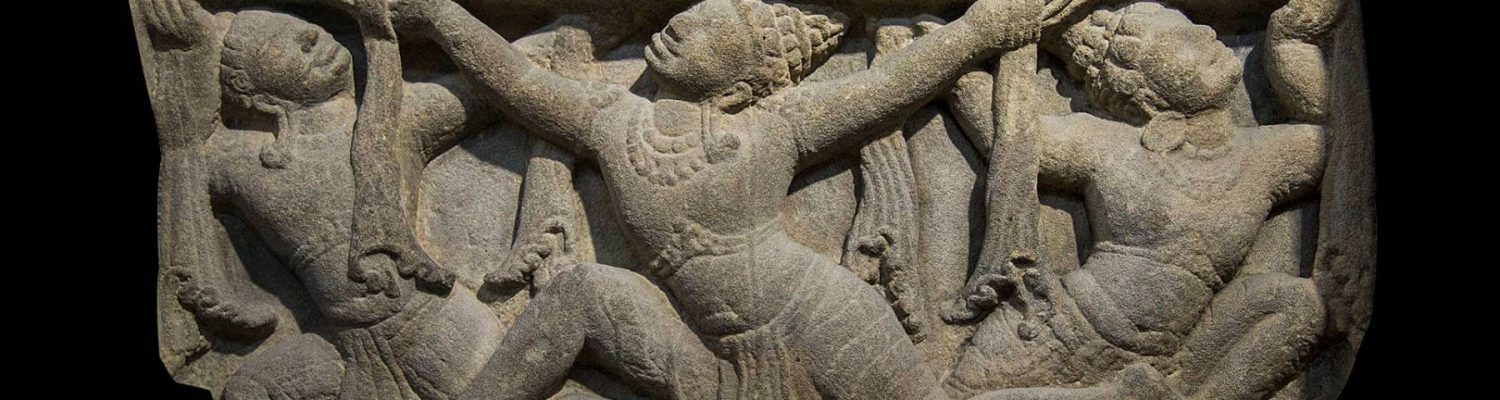
Made from sandstone, the Tra Kieu Altar is one of the most remarkable works displayed at Da Nang Museum of Cham Sculpture. The piece is highly valued for its detailed carvings, including scenes featuring Apsara dancers and musicians.
The delicate lines carved into the stone demonstrate the artistic skill of Cham craftsmen while reflecting the connection between art, religion, and cultural life in the ancient capital of Tra Kieu.
My Son E1 Altar: A Religious Legacy From My Son Sanctuary
Dating back to the 7th–8th centuries, the My Son E1 Altar is one of the important artefacts associated with My Son Sanctuary, a UNESCO World Heritage Site in Quang Nam Province.
Carved from sandstone, the altar features images of meditating ascetics and stories connected with Hindu mythology. The detailed relief carvings demonstrate both the technical skill of Cham artists and the religious ideas that influenced Champa society.
Dong Duong Tara Bodhisattva Statue: A Symbol Of Champa Buddhist Art
Dating from the late 9th to early 10th centuries, the Dong Duong Tara Bodhisattva Statue is considered one of the rare bronze masterpieces of Champa art.
Standing at nearly 1.15 metres tall, the statue was created from pure bronze and is recognised for its calm expression, graceful details, and balanced proportions. The work represents the distinctive Dong Duong Buddhist artistic style, an important period in the history of Champa.
Tra Kieu Apsara Relief: The Beauty Of Cham Carving Techniques
The Tra Kieu Apsara Relief is a notable example of the refined carving techniques developed by Cham artists during the 10th century.
The sculpture depicts an Apsara celestial dancer in an elegant movement, with detailed jewellery, large earrings, and carefully carved clothing patterns on sandstone. Through this work, visitors can see how Champa artists combined religious symbolism with artistic expression and sophisticated craftsmanship.
Exhibition Spaces Arranged By Archaeological Locations
Apart from individual masterpieces, the museum’s galleries are arranged according to the locations where many artefacts were discovered, including My Son, Tra Kieu, Dong Duong, and other areas across Central Vietnam.
This organisation allows visitors to better understand how Cham art developed across different periods and regions. Instead of viewing each sculpture separately, guests can discover the connection between these works, ancient religious centres, temple architecture, and the spiritual life of the Champa people.
Tips For Visiting Cham Museum Da Nang
Morning visits are often a comfortable choice, especially during warmer months, as the museum provides an indoor cultural experience away from the midday heat.
A quick visit focusing on the main highlights usually takes around 45 minutes to 1 hour. However, travellers who enjoy history, photography, or learning more about each artefact may prefer spending around 1.5–2 hours exploring the museum at a slower pace.
After visiting the museum, you can continue exploring nearby attractions with family and friends, including Dragon Bridge, the Han River area, Da Nang Cathedral, or plan a separate half-day trip to My Son Sanctuary.
Relax In The Heart Of The City With Grand Mercure Danang
Located on a small island in the heart of Da Nang, Grand Mercure Danang offers a peaceful stay surrounded by open spaces and greenery while keeping guests connected to the city’s cultural attractions. It takes visitors only around 5–10 minutes from the hotel to reach Da Nang Museum of Cham Sculpture, the Han River, Dragon Bridge, and other central landmarks before returning to a quieter retreat away from the busy streets.
The hotel’s rooms offer views of the river, city skyline, or Da Nang’s iconic landmarks, complemented by facilities including the outdoor swimming pool, Karma Spa, fitness centre, Kids Lounge, and diverse dining experiences from international flavours to Vietnamese cuisine at venues including Golden Dragon, La Rive Gauche, and Veranda Restaurant.
It is a suitable base for travellers who want to explore Da Nang while enjoying a relaxing stay in a green island setting within the city.
Frequently Asked Questions About Cham Museum Da Nang
Does Cham Museum Da Nang have parking and a dress code?
The museum provides a parking area in front of the building for visitors. Guests are recommended to wear respectful and modest clothing when visiting, as the museum preserves many valuable historical and religious artefacts.
Can visitors take photos and videos inside Cham Museum Da Nang?
Visitors can take personal souvenir photos inside the exhibition areas. However, guests should follow museum regulations, including not using flash photography, tripods, or conducting commercial filming without prior permission, to help protect the artefacts and maintain a comfortable experience for other visitors.
What national treasures are displayed at Cham Museum Da Nang?
Da Nang Museum of Cham Sculpture currently preserves three national treasures, including the My Son E1 Altar, Tra Kieu Altar, and Dong Duong Tara Bodhisattva Statue. These works are recognised for their exceptional historical, religious, and artistic value within Champa heritage.
When was Cham Museum Da Nang built and who designed it?
Da Nang Museum of Cham Sculpture was started in 1915 and officially opened to visitors in 1919. The building was designed by French architects, combining European architectural influences with decorative elements inspired by Cham art and architecture.
Grand Mercure Danang ☆☆☆☆☆
Lot A1, Green Island, Hoa Cuong Ward, Danang
Vietnam
Tel: (+84) 2363797777
Fax:(+84) 2363797797
Email:
h7821@accor.com

Follow us
Stay in touch and connected to all the news and happenings.